



FAQs
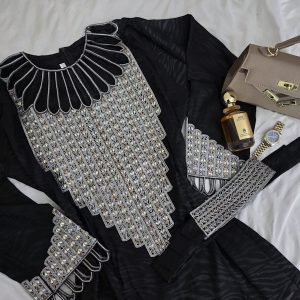
We recommend hand-washing your Mukhawar/Abaya to preserve its delicate embroidery and embellishments. Gently rinse it in cool water with a mild detergent, and avoid wringing or scrubbing. Lay it flat to dry, and never place it in the dryer to maintain the integrity of the fabric and decorations.
Machine washing is not recommended due to the delicate nature of the embroidery, pearls, and rhinestones. Hand-washing ensures the longevity of the Mukhawar. If you must machine wash, use a delicate or hand-wash cycle in a garment bag, and turn the Mukhawar inside out.
Store your Mukhawar in a cool, dry place away from direct sunlight. We recommend hanging it on a padded hanger or folding it carefully in tissue paper to preserve its shape and avoid creases.
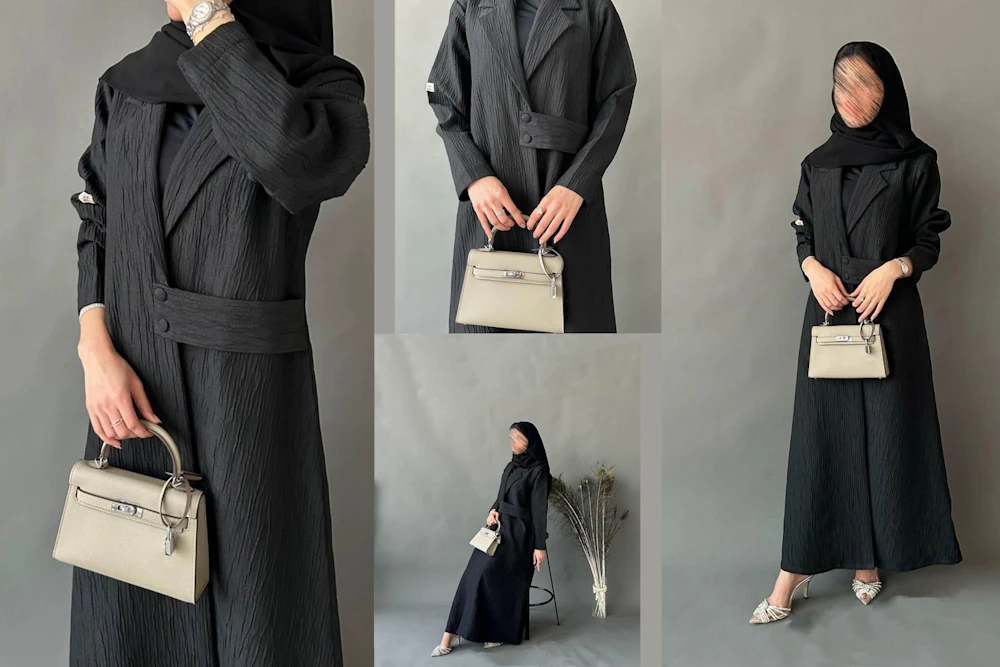
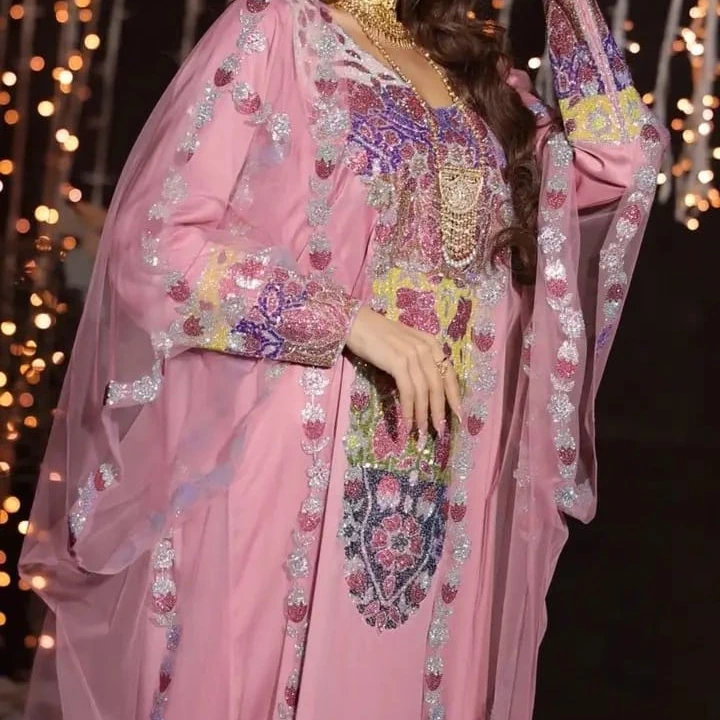
Absolutely! Mukhawars are perfect for special events, gatherings, or religious occasions. Their luxurious fabrics and intricate designs make them a standout piece for any formal or traditional occasion. Be sure to handle with care to maintain the embellishments. Additionally, Mukhawars are traditionally worn with an abaya, enhancing the overall elegance and modesty of the outfit.
While alterations are possible, we recommend consulting a professional tailor experienced with delicate fabrics and embellishments. Altering the Mukhawar without proper expertise could damage the intricate embroidery and other decorations.
Not all Mkahwars include a corset. If a corset is included, it will be mentioned in the item description.
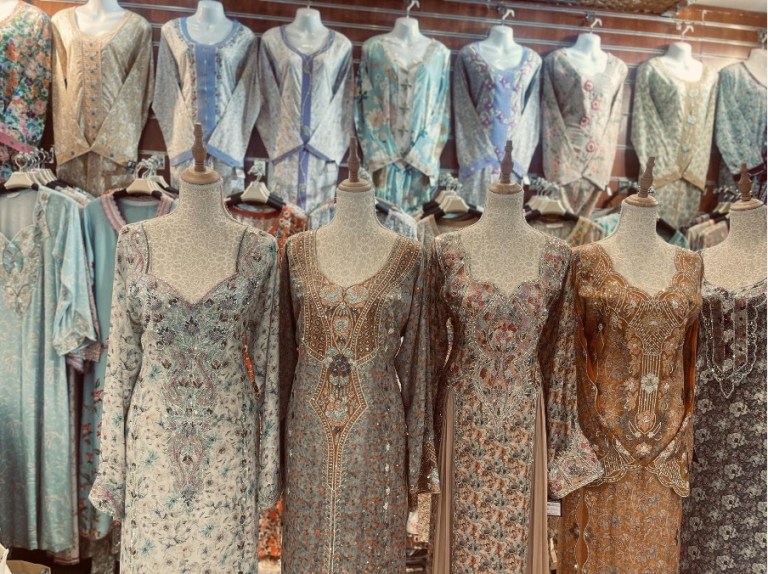
Our Mkahwars are available in a range of materials, including pure silk, mixed (Makhlout) silk, and Indonesian fabrics, each varying in quality.
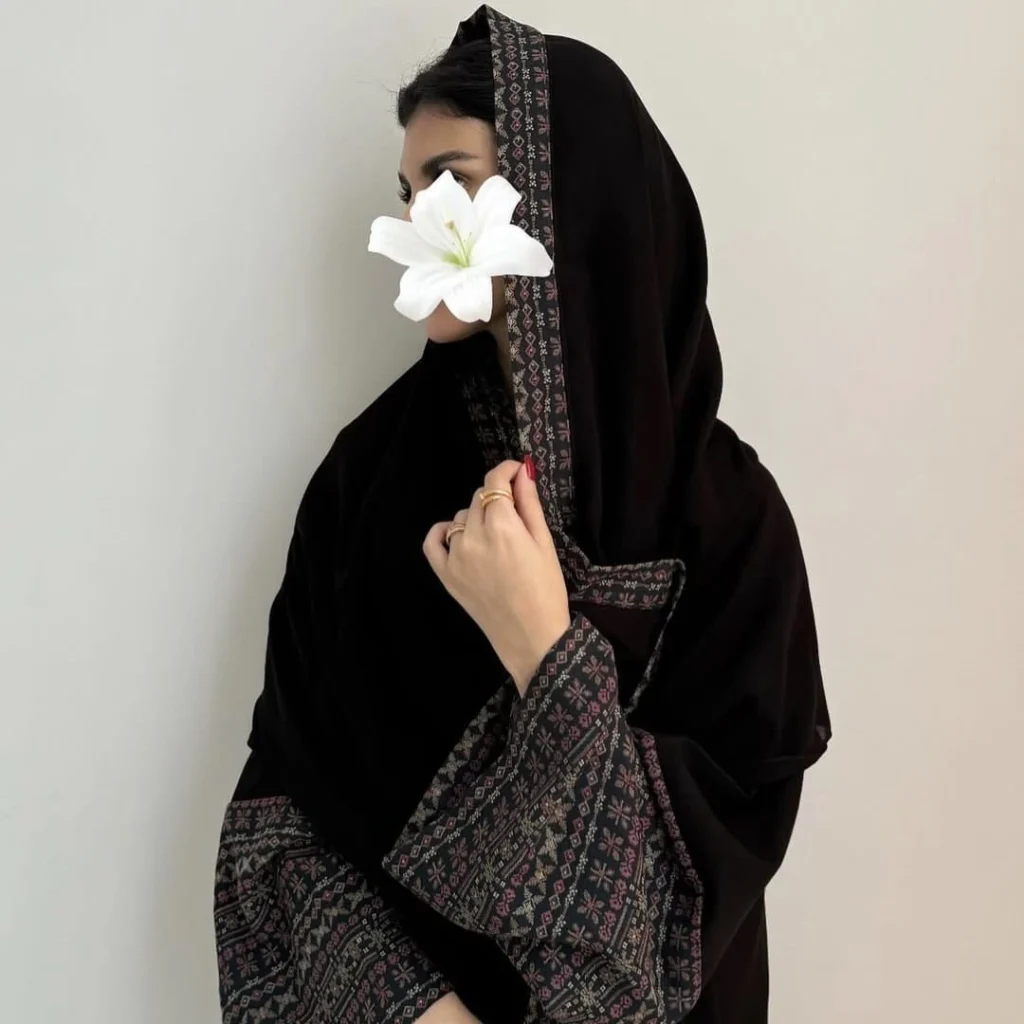
Not all Mkahwars come with a matching Sheila. If included, it will be specified in the item description.